If you’re here, odds are you’re either an HVAC tech stuck troubleshooting wonky airflow in a restaurant’s rooftop unit, a facilities manager trying to cut that sky-high utility bill, or maybe even a small building owner who’s grown tired of guessing why their AC never cools the conference room right. Let’s cut to the chase: 90% of HVAC headaches that feel like they’re “just bad design” or “random equipment glitches” actually come down to one thing no one talks about enough—missing, misread, or just plain wrong HVAC flow meters. Flow Meter
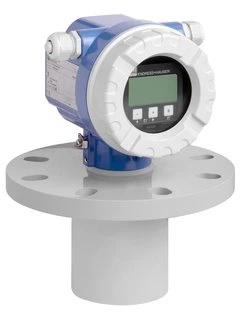
I’m not some corporate sales bro with a script full of jargon. I’m on the ground, working with HVAC teams every day, because that’s what we do: we supply flow meters that actually fit the messy, real-world HVAC stuff, not the hypothetical stuff from a textbook. Let’s break this down like we’re chatting in a service truck parking lot, no fluff.
First, let’s get what a flow meter actually does for HVAC, not the dictionary definition. When an HVAC system works, it’s moving two key fluids: air and water. Air goes through ducts, right? But hydronic HVAC systems (think radiators, underfloor heat, or chilled water AC) move water through pipes. A flow meter is the only tool that tells you exactly how much of that fluid is moving, at what pressure, and if it’s hitting the spot it’s supposed to.
Here’s the thing most people miss: HVAC systems are not one-size-fits-all. A 10,000 sq ft retail space needs way different flow than a 20-story office tower. If your flow meter is cheap and only gives a general number, or you’re using the wrong type for your pipe size or fluid, you’re just guessing. I see this all the time: a tech will replace a fan because the AC was blowing weak air, only to find out the water flow meter was reading 30% lower than actual, so the chiller was working overtime to compensate for less water moving. That’s $1,200 in fan parts, wasted labor, and 20% higher electric bills for 6 months, all because no one checked the flow meter.
Now, let’s talk about the types of flow meters that actually matter for HVAC, not the industrial stuff no one needs. We don’t sell super complex, industrial-grade meters for 100-inch pipes—we have the right ones for the HVAC space.
First, thermal mass flow meters for air. These are the go-to for ductwork, especially for commercial HVAC. How do they work? They have tiny sensors that measure how much heat dissipates from a probe, which directly translates to air flow. No moving parts, so they don’t get clogged with dust, and they’re accurate even at low flows (like the quiet airflow in a small office cubicle duct). I’ve seen cheap air flow meters for HVAC that fail after 6 months because they get caked in lint from laundry facility ducts. Our thermal ones? We’ve had clients use them for 3 years in that exact space with zero calibration needed. That’s not sales hype—it’s what our clients tell us.
Then there’s ultrasonic flow meters for water. These are perfect for hydronic systems, no need to cut into the pipe (wait, no pipe cutting? That’s a game-changer for retrofits). They bounce sound waves off the moving water, measure the time it takes for the wave to go with the flow vs. against, and calculate volume. If you’re retrofitting an old building where you can’t shut down the system for hours to install a meter, ultrasonic is the way. I’ve had a school facilities manager tell me they saved 8 hours of shutdown time on a 10-story building retrofit, and that alone paid for the meter.
We also do paddlewheel flow meters for smaller, simpler hydronic setups—like residential HVAC or small office loops. They’re cheap, easy to install, and great for basic monitoring. Don’t sleep on these for small jobs; a lot of HVAC contractors skip them, but they’re perfect for making sure your mini-split hydronic loop is actually moving water, not just sitting stagnant.
Now, why do most HVAC systems have bad flow meter data? Let’s be real: most HVAC components (fans, chillers, boilers) are rated for ideal conditions, but the real world is messy. Pipes get scaled up, ducts get bent, filters get dirty, valves get half-open. If you don’t have a flow meter telling you what’s actually happening, you’re flying blind.
Take a recent example: a 25,000 sq ft grocery store client. Their HVAC system was running at 18% higher electric bills than comparable stores. Their team tried everything: cleaned coils, replaced filters, adjusted fan speeds—no change. They called us, we had them install two thermal air flow meters on the main supply ducts and one ultrasonic on the chilled water loop. Turns out, the water flow through two of the chiller loops was only 55% of the rated flow. No one had noticed because the old analog meter was stuck on “full” even when the valve was closed. Once they fixed the valve and calibrated with our meter, their bills dropped 16% in 3 months. That’s the kind of win we care about, not just selling a meter and disappearing.
Wait, but let’s get honest about mistakes people make with HVAC flow meters. First, buying the cheapest one on Amazon. Those meters are made for, like, aquariums, not 100 mph duct air. They’ll give you a number that’s 20-30% off, which is worse than no number at all. Second, installing them in the wrong spot. Flow meters need straight pipe (or straight duct) before and after, otherwise the flow is turbulent and the reading is garbage. We always tell clients: if your duct has a bend right where you want to put the meter, shift it 5 feet down the line, don’t force it. Third, forgetting to calibrate. Even the best flow meters drift a little over time—thermal ones need a check every 2 years, ultrasonic every 3. We offer calibration services, but even if you do it yourself, just a 10-minute check makes a huge difference.
Now, what’s in it for you, beyond a “accurate number”? Let’s list the real, tangible benefits: lower utility bills (we’re talking 10-25% for most commercial spaces), less equipment wear (if flow is too low, chillers run hotter and burn out faster), better occupant comfort (no more cold conference rooms or stuffy retail corners), and easier troubleshooting. If you ever have a HVAC call, the first thing a good tech will ask for is your flow meter data—it cuts diagnostics time from hours to minutes.
I know a lot of you are wary of “new tech” for HVAC. But flow meters aren’t some fancy IoT toy (though we do have basic Bluetooth-enabled meters that let you read data on your phone). They’re a tool, like a multimeter or a torque wrench, that makes your job easier. And unlike other HVAC tools, the return on investment is almost immediate. Most of our clients pay for their meter in 2-6 months from lower utility costs.
Let’s be clear: we’re not the only flow meter supplier out there. But we’re the ones that specialize in HVAC, not industrial processes or water treatment. We don’t sell you a 10-inch ultrasonic meter when you need a 4-inch thermal one. We don’t upsell you features you’ll never use. We even offer free 15-minute consultations to help you pick the right type for your specific system. No pressure, no sales pitch—just us, helping you figure out what you actually need.
If you’re reading this and thinking, “Yeah, my HVAC system’s been wonky for months” or “My bills are too high and I don’t know why,” don’t guess. Don’t swap parts. Get the flow data you need. We work with HVAC techs, facilities managers, building owners, all kinds of folks—no order is too big or too small. Whether you need one meter for a small residential hydronic loop or 20 for a new 50-story office tower, we’ve got you covered.

If you’re ready to stop guessing and start fixing, that’s all it takes. Hit us up to chat, tell us what system you’re working on, and we’ll help you pick the right flow meter for your needs. Let’s stop wasting money on bad HVAC and start getting systems that work like they’re supposed to.
Endress and Hauser Temperature Transmitter References
- ASHRAE Handbook—HVAC Systems and Equipment (2023)
- Flow Measurement Engineering Handbook, 4th Edition
- Commercial Building Energy Efficiency Guide, U.S. Department of Energy (2022)
- HVAC Fluid Flow Control: Best Practices for Hydronic and Duct Systems, 2021
Iges Instrument Co., Ltd.
With abundant experience, we are one of the most professional flow meter suppliers in China. Please feel free to buy high quality flow meter in stock here and get quotation from our factory. Good service and low price are available.
Address: No.103, 1st Floor, Dacheng Commercial Building, Chezhan Avenue, Lucheng District, Wenzhou City
E-mail: igesinst@gmail.com
WebSite: https://www.iges-inst.com/
