I still remember the day three years ago when a small-scale manufacturing client pulled me aside at a trade show, asking a question that would shape how I thought about our industrial furnaces forever. "We’re drowning in process waste—scrap metal offcuts, contaminated plastic packaging, even some non-hazardous solvents that we can’t dispose of legally locally," he said, his voice tight. "Can your industrial furnaces handle that instead of us building a whole separate incinerator that’ll cost twice as much and take six months to install?" Back then, I’d hesitated to answer. As an industrial furnace supplier, we’d spent 20 years engineering our units for consistent heat treatment, metal melting, and material processing—not waste management. But that conversation sparked years of testing, client case studies, and deep dives into environmental regulations that I now draw on every time someone asks: Can industrial furnaces be used for waste incineration? Industrial Furnace
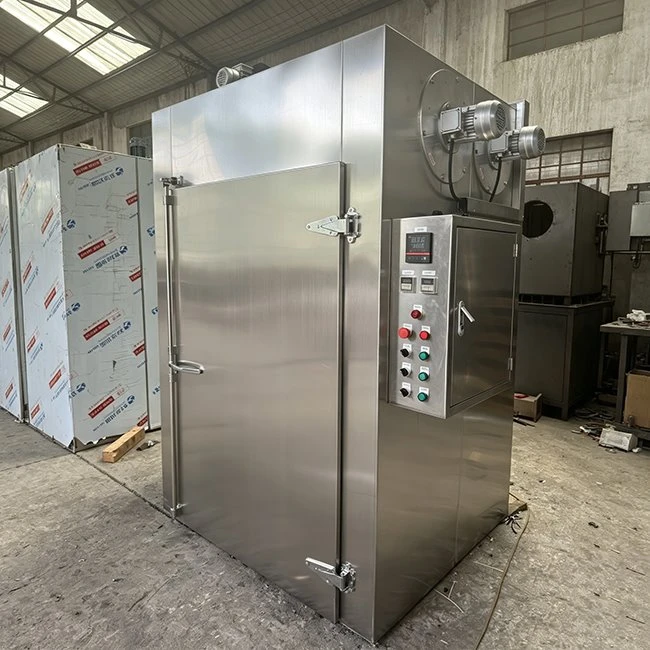
First, let’s set the record straight: not all industrial furnaces are built for waste, and not all waste is safe to burn in them. But when designed and operated correctly, many of the units our team manufactures can fill a critical niche for small to mid-sized manufacturers who don’t have the budget for a dedicated waste incinerator. Let’s break this down by the science, the realities, and the hard lessons we’ve learned from clients who’ve made this work.
The Science: Heat, Oxygen, and Combustion Basics
At its core, incineration is a controlled combustion process that reduces organic waste to ash, gases, and heat. Industrial furnaces already operate at extremely high temperatures—most of our standard units run between 800°C and 1,800°C, which is exactly the range needed for complete waste combustion. The problem most people don’t talk about is the "golden rule" of waste incineration: you need enough oxygen, enough retention time for gases to burn fully, and enough temperature to avoid toxic byproducts like dioxins. A standard incinerator is engineered to control these variables specifically for waste, but a well-maintained industrial furnace can adapt if you’re only burning non-hazardous waste.
Let’s clarify what "non-hazardous waste" means here. This is key—using an industrial furnace for hazardous waste (like lead-based materials, PCBs, or medical waste) is not only dangerous but often illegal without specific permits. The waste that works? Things like wood offcuts from a fabrication shop, clean plastic scrap that’s free of chlorine (wait, yes—PVC is a big no, because it releases chlorine that forms dioxins), paper packaging, and even non-hazardous industrial sludges that are organic. For example, a textile manufacturing client in Ohio started using our 1,200°C box furnaces to burn cotton and polyester offcuts instead of sending them to a landfill. They adjusted the air intake valves (a simple modification we walk clients through) to boost oxygen levels, and we added a small afterburner section to the furnace’s exhaust plenum to ensure any unburned gases got a few extra seconds at high temperature before being released. The result? They cut their landfill fees by 60% in the first year, and their environmental compliance report had zero violations.
The Limitations You Can’t Ignore
Here’s where a lot of suppliers (including some who cut corners) will overpromise. Industrial furnaces have built-in constraints that make them a bad fit for certain waste streams, and you have to be honest about these. First, capacity. Our smallest industrial furnace has a 500-pound load capacity, but a dedicated waste incinerator can be sized to handle thousands of pounds an hour. So if you’re a large factory generating multiple tons of waste a week, an industrial furnace isn’t going to work—you’ll be loading and unloading waste nonstop, and the furnace won’t run efficiently. Second, emissions control. While basic combustion works for non-hazardous waste, industrial furnaces aren’t always equipped with scrubbers or filter systems to remove fine particulate matter or acidic gases that might come from even non-hazardous waste (like certain types of plastic that release small amounts of hydrogen chloride). That means you’ll need to add a simple aftermarket emissions filter, which our team can design for your specific furnace model, to stay compliant with EPA or local environmental rules.
We had a client in Michigan learn this the hard way. They tried burning shredded foam insulation in their industrial furnace without adding a filter, and within a month, they got a notice from the state environmental agency for excessive particulate emissions. They reached out to us, and we retrofitted their furnace with a baghouse filter that traps 99% of fine particles, and adjusted the air flow to reduce the foam’s tendency to produce smoke. Now, they’re compliant, and they still save more than $15,000 a year on landfill costs. The lesson here is: you can’t skip the emissions equipment, and you have to match the furnace’s design to your waste stream.
Regulatory and Safety Checks That Are Non-Negotiable
This is the part that makes many companies hesitate, but it’s the part that matters most to our team. Before you even think about using your industrial furnace for waste incineration, you need to check two things: local regulations and furnace safety standards. Waste incineration is heavily regulated in most countries, and industrial furnaces are often classified as "process equipment" rather than waste facilities, which means you might not need a full waste management permit—but you will need to demonstrate that your operation meets emissions limits. Our team works with every client to provide documentation that proves their modified furnace can meet these limits, including test data from third-party labs when needed.
Safety is another big one. Industrial furnaces run at temperatures hot enough to cause severe burns, and burning waste can produce volatile gases that need to be vented properly. We never recommend that clients modify their furnace’s internal combustion chamber without our guidance. Last year, a client in Texas tried to drill an extra air vent into their furnace to burn more waste, and they accidentally weakened the chamber’s heat lining. When the furnace ran at full temperature, a section of the lining cracked, and hot ash leaked out. They had to shut down for three weeks for repairs, and they faced a fine for improper operation. That’s why we emphasize: any modifications to your furnace for waste use must be done by our engineers, or by a contractor we’ve vetted, to ensure the structural integrity is maintained.
Real-World Success Stories That Prove It Works
Let’s talk about three clients who didn’t just "try"—they integrated waste incineration into their daily operations using our industrial furnaces, and saw tangible benefits beyond just waste reduction.
First, a metal stamping company in Pennsylvania that generates 200 pounds of non-contaminated plastic packaging waste every week (from shipping their stamped parts) and 150 pounds of wood pallets that are too damaged to resell. They were paying $1,200 a month for landfill disposal. We suggested modifying their existing 1,500°C pit furnace—this is the type of furnace we use for preheating metal before forging, so it’s built for consistent, high-heat operation. We added a hopper feed for small waste loads, adjusted the air intake to maintain 10% excess oxygen (the sweet spot for complete combustion), and installed a simple activated carbon filter on the exhaust to remove any odors. Now, they load waste into the hopper at the start of their workday, and when the furnace finishes its metal preheating cycle, the waste has fully combusted. They stopped paying landfill fees entirely, and their monthly energy costs went down because they’re using the furnace’s existing heat to process waste instead of letting it cool between metal runs. That’s a win-win.
Second, a specialty paper manufacturer in Wisconsin that deals with contaminated paper waste (paper that’s come into contact with food oils or inks, so it can’t be recycled). They were sending this waste to a commercial waste-to-energy plant, which cost them $80 a ton. We used our 1,000°C box furnace, which is designed for drying and curing paper products, and modified it to handle the paper waste. The key here was setting a 2-hour retention time for the combustion gases—we adjusted the furnace’s exhaust ducting to make gases travel through a longer path before being released, ensuring any unburned carbon was fully oxidized. Now, they process 10 tons of waste a month in their furnace, and they save more than $90,000 a year in disposal and energy costs (the heat from the waste combustion is actually used to preheat raw paper stock).
Third, a small aerospace component shop in California that generates small amounts of non-hazardous solvent waste from cleaning parts. They had to hire a licensed hazardous waste hauler to pick this up, which cost them $500 every other week. We helped them test their 800°C tempering furnace, which runs at a lower temperature than our other units, to see if it could handle the solvent vapors. With a sealed feed system that directs solvent vapors into the furnace’s combustion chamber, and a small afterburner to ensure the vapors burn completely, they now process the solvent waste in-house. They’ve eliminated the hauler fees, and the furnace’s tempering process runs more consistently because the vapors help stabilize the heat. This was a smaller operation, but it’s proof that even the smallest industrial furnaces can be adapted for waste use.
When It’s Not Worth It
We don’t want to mislead anyone—using an industrial furnace for waste incineration isn’t the right solution for every business. If you generate more than 10 tons of waste a week, a dedicated waste incinerator will be more efficient, with higher capacity and better emissions controls. If your waste is contaminated with heavy metals, chlorine, or other hazardous materials, even with modifications, you’ll need a specialized incinerator that’s designed to handle those toxins and neutralize them properly. We had a client in New Jersey that tried burning paint waste (which has lead pigments) in our furnace, and even with a filter, the emissions came back with lead levels above the legal limit. They switched to a hazardous waste incinerator, and while it was a larger investment, it was the only option that let them dispose of their paint waste legally.
Another case: if you can’t commit to regular maintenance. Industrial furnaces, especially when used for waste, need more frequent cleaning than when used for their original purpose. Ash from waste can build up in the furnace’s lining, which can reduce efficiency and even cause safety issues if left unattended. A client in Florida skipped cleaning their furnace for six months, and ash buildup caused the furnace’s temperature to drop, leading to incomplete combustion and a buildup of carbon monoxide in the exhaust. They had to shut down for a week to clean the furnace, and they faced a fine for excess emissions. So if you’re not willing to stick to a maintenance schedule, this isn’t for you.
What We Offer to Make It Work
As an industrial furnace supplier, our job isn’t just to sell you a unit—it’s to make sure it works for your needs, whether that’s heat treatment, melting metal, or waste incineration. Here’s what we provide when a client comes to us asking about waste use:
- A free assessment of their waste stream: we test the type of waste they generate, its moisture content, and any potential toxic components, to see if it’s safe to burn in an industrial furnace.
- Custom modifications: we design and install low-cost, reversible modifications (so you can switch back to original use if needed) like air intake adjustments, exhaust afterburners, and emissions filters.
- Compliance documentation: we provide test data, safety manuals, and engineering drawings that you can submit to local environmental agencies to meet permitting requirements.
- Training: we send a technician to your site to train your team on how to operate the furnace for waste incineration safely and efficiently, including how to monitor emissions and perform regular maintenance.
- Ongoing support: if you run into issues, our service team is available to troubleshoot modifications or adjust settings to keep you compliant.
Last year, we launched a small "waste adaptation" package for clients who only need to process 500 pounds or less of waste a week, which includes a basic filter and air flow adjustment at a 20% lower cost than buying a separate incinerator. It’s been one of our most popular offerings, because it’s tailored for small and mid-sized businesses that don’t have the resources for a dedicated waste system.
Final Thoughts
When that small manufacturing client pulled me aside at the trade show three years ago, I didn’t have a clear answer for him. Today, I can confidently say: yes, industrial furnaces can be used for waste incineration—if you’re working with non-hazardous waste, you’re willing to make small, safe modifications, and you follow all regulatory and safety guidelines. It’s not a one-size-fits-all solution, but for many businesses, it’s a practical, cost-effective way to reduce waste, cut landfill fees, and stay compliant with environmental rules.
I’ve seen too many companies waste money building separate incinerators when their existing industrial furnaces can do the job. I’ve also seen companies get in trouble because they tried to modify their furnaces without proper guidance. That’s why I’m always happy to talk through your specific needs: what type of waste you generate, how much you produce, and what your current disposal costs are. We can work together to figure out if adapting your industrial furnace is the right move for you, or if a different solution would be better. If you’re ready to stop overpaying for waste disposal and make your operations more efficient, reach out to us to schedule a no-obligation consultation.
Industrial Furnace References
- U.S. Environmental Protection Agency. (2022). "Industrial Waste Combustion Regulations: Compliance Guidelines for Small Manufacturers."
- International Organization for Standardization. (2021). "ISO 14001: Environmental Management Systems for Waste Processing."
- Journal of Industrial and Environmental Chemistry. (2020). "Adaptation of Thermal Processing Furnaces for Non-Hazardous Waste Incineration: Efficiency and Emission Analysis."
- Occupational Safety and Health Administration. (2023). "Safety Standards for Industrial Furnaces Used in Secondary Waste Processing."
Nanjing Ranran Tiancheng Drying Equipment Co., Ltd.
As one of the most professional industrial furnace manufacturers and suppliers in China, our products have good reputation in the market. Please feel free to buy advanced industrial furnace for sale here from our factory. All customized products are with high quality and competitive price.
Address: No. 5 Xinhua Road, Shangba Village, Longtan Street, Qixia District, Nanjing City
E-mail: rrtc@rrtcoven.com
WebSite: https://www.rrtcoven.com/
