If you’ve ever been on a job site—whether it’s a construction yard, a warehouse, or a maintenance shop—you know that choosing the right lifting equipment can make or break a project. For years, I’ve worked as a chain hoist supplier, and I’ve heard this question dozens of times: Are chain hoists better than hydraulic jacks? It’s not a one-size-fits-all answer, but after watching thousands of contractors, warehouse managers, and maintenance techs navigate this choice, I can break down the tradeoffs with real, on-the-job context that you won’t find in generic product brochures. Chain Hoist
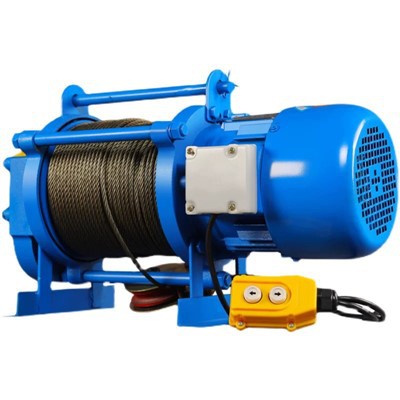
First, let’s start with what each tool is, because misunderstanding their core designs leads to half the bad calls I see. Chain hoists rely on a loop of heavy-duty chain wound around a lifting wheel; pulling on a hand chain (or engaging a motor) turns that wheel, which pulls the load chain up or lowers it. Hydraulic jacks, on the other hand, use fluid pressure—pumped by hand, air, or electricity—to push a lifting ram under or around a load, raising it a set height per cycle. That basic difference shapes almost every performance factor: safety, portability, precision, maintenance, and cost.
Safety is the big one for any lifting job, and here’s where chain hoists pull ahead for most heavy-duty, stationary applications. Let’s talk load control first. A chain hoist holds a load with its chain and a mechanical braking system—no fluid, no pressure, no risk of slow leaks that can cause a load to drop unexpectedly. I’ve seen hydraulic jacks fail on jobs because a seal wore out, and the load crept down an inch every hour, endangering workers and damaging materials. Chain hoists have a hard stop every time you stop pulling the hand chain; the brake engages immediately, so even if you’re lifting a 10-ton steel beam, it’s not going to drift. That’s not just a feature—it’s a proven safety win for jobs where the load needs to stay suspended for hours, like aligning large machinery in a factory or supporting a bridge beam during repairs.
Hydraulic jacks have their own safety uses, of course—they’re perfect for getting under a load to lift it vertically a short distance, like changing a truck tire. But even there, chain hoists can outperform if you’re lifting and positioning a load at height. I had a customer last year, a metal fabrication shop, who tried using hydraulic jacks to lift a 12-ton steel frame into a second-floor opening. They got the frame up to the right height, but it was impossible to hold steady while they aligned it with the mounting bolts—any small bump made the jack shift, and the frame slid half an inch, causing an hour of rework. When they swapped to a chain hoist mounted to a overhead beam, they could adjust the position in tiny increments, and the load stayed locked in place until they secured it.
Portability is another factor that’s often oversimplified. A lot of people think hydraulic jacks are lighter because they’re compact, but chain hoists have come a long way in design. Today’s manual chain hoists are made with high-strength alloy steel, so a 5-ton hoist only weighs 60 pounds—easy for one worker to carry to a job site, set up on a beam or a stand, and get running. Hydraulic jacks, especially heavy-duty ones for construction or industrial use, are bulkier because of their fluid reservoirs and rigid frames. If you’re working at a remote site without access to power, a manual chain hoist needs no extra tools—just a worker with enough strength to pull the hand chain, which is a huge advantage over hydraulic jacks that might need a hand pump or a power source.
That said, I won’t pretend chain hoists are always easier to move. If you’re lifting in tight spaces, a low-profile hydraulic jack can slide under a load where a chain hoist can’t be mounted—for example, lifting a car off the ground in a narrow garage bay where there’s no overhead beam. But for mobile lifting that requires horizontal positioning over a distance, chain hoists still win: you can run the load chain through multiple pulleys to extend the lift, no extra parts needed, whereas a hydraulic jack can only lift straight up a few feet.
Precision is a make-or-break detail for maintenance and assembly work. When you’re aligning a large motor to a pump, or lowering a heavy object into a trench, you need to adjust the height by millimeters, not inches. Chain hoists excel here because the hand chain’s length directly translates to the load’s movement—each foot of hand chain pulled lifts the load a fixed amount, so it’s easy to control exactly how high you go. Hydraulic jacks, by contrast, use a piston that moves incrementally; getting a precision adjustment often means bouncing the jack a few times, which can jostle the load or shift it out of alignment. I’ve had aerospace clients tell me that chain hoists are non-negotiable for assembling aircraft components, because even a 1-millimeter error can compromise a part’s fit.
Maintenance is another area where chain hoists are less hassle, which saves you time and money over the life of the tool. A chain hoist’s moving parts are all metal—chain, gears, brake—so they’re resistant to dirt, dust, and moisture, which is a big deal for outdoor construction sites or dusty manufacturing floors. You can clean a chain hoist with a rag and a little lubricant once a month, and it will run reliably for years. Hydraulic jacks, though, depend on fluid seals and hoses that can crack or leak if not maintained properly. A small leak in a hydraulic jack doesn’t just mean you have to refill the fluid—it can let air get into the system, leading to spongy control and inconsistent lifting. Last year, a client told me their hydraulic jack failed mid-lift because a rubber seal rotted from being stored in a damp warehouse, costing them $20,000 in lost production time for that shift.
Cost is a factor that can swing based on your use case, but here’s the breakdown: upfront, a hydraulic jack is often cheaper than a comparable capacity chain hoist, but the long-term cost is usually lower for chain hoists. Manual chain hoists have almost no consumable parts—just a chain that can be replaced every 10 to 15 years, if needed. Hydraulic jacks need fluid refills, seal replacements, and occasional testing to make sure their pressure ratings are still accurate. For regular use, chain hoists also have higher load capacities without adding too much weight; a 20-ton manual chain hoist is manageable for two workers, while a 20-ton hydraulic jack would be bulky, heavy, and expensive to transport.
But wait—let’s not ignore when hydraulic jacks are the better choice. If you’re lifting a load vertically a short distance (up to a few feet), especially in a space with no overhead anchor points, a hydraulic jack is the way to go. They’re also ideal for point loading, like lifting a single corner of a machine to level it, which chain hoists aren’t designed for. I never tell customers to abandon hydraulic jacks entirely—instead, the best setup is to have both: a chain hoist for heavy, long-distance lifting and load suspension, and hydraulic jacks for short, vertical lifts in tight spots.
As a chain hoist supplier, I’ve seen too many companies buy the wrong tool for their needs because of marketing hype or outdated assumptions. Some contractors swear by hydraulic jacks for every job, even when they’re lifting a 8-ton generator into a warehouse’s second floor—only to waste time fighting with jacks that can’t hold the load steady. Others buy a cheap chain hoist that’s not rated for their load, leading to safety hazards. The sweet spot is matching the tool to the job: if you need load holding, long travel, and reliable safety, chain hoists are usually better. If you need short, vertical lifts in tight spaces, hydraulic jacks are the right pick.
At the end of the day, the choice comes down to your specific work: how heavy is the load, how far do you need to move it, and do you need it suspended for long periods? For the projects I see most—construction, industrial maintenance, warehouse loading, and structural installation—chain hoists deliver the safety, precision, and longevity that matter most.

If you’re weighing which tool is right for your next project, or you’re looking to upgrade your lifting equipment with reliable, tested chain hoists for your job site, I encourage you to reach out to our team to discuss your needs. We can help you choose the right capacity and type of chain hoist for your specific application, no generic sales pitches, just practical advice from people who work with this equipment every day.
Indoor and Outdoor Winches References
- Occupational Safety and Health Administration (OSHA). 2023. “Lifting Equipment Safety Standards for Construction and General Industry.”
- American Society of Mechanical Engineers (ASME). 2022. “B30.20 Standard for Chain Hoists.”
- National Institute for Occupational Safety and Health (NIOSH). 2021. “Workplace Lifting Equipment: Safety and Performance Guidelines.”
- Hydraulic Power Association (HPA). 2022. “Hydraulic Jack Maintenance and Reliability Report.”
- Construction Owners Association of America (COAA). 2023. “Heavy Lifting Equipment Selection for Commercial Construction Projects.”
Hebei Hengtai Crane Machinery Manufacturing Co., Ltd.
As one of the leading chain hoist manufacturers in China, we warmly welcome you to buy bulk discount chain hoist in stock here from our factory. All customized products are with high quality and low price. For more cheap products, contact us now.
Address: Weigezhuang Village, Donglu Township, Qingyuan District, Baoding City, Hebei Province
E-mail: hbht@cnhengtai.com
WebSite: https://www.cnhengtai.com/
