Hey everyone, it’s Jake here, and before we dive into today’s question—“Can armory doors be used in government buildings?”—let me cut to the chase: I’m the guy who’s been selling armory doors for over 8 years, so I’ve fielded this exact question from city hall admins, state facility managers, and even a couple of federal folks who found our products online late one night. Let’s be real: when you hear “armory doors,” you probably think of the heavy, metal blast doors in old military bases—something that doesn’t belong in a public library or a small-town municipal building. But over the last decade, the line between “military-grade security” and “civilian public safety” has blurred a lot, and that’s exactly where most of the confusion comes from. Armory Doors
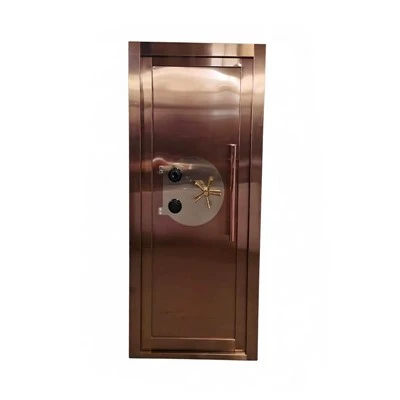
First, let’s get one thing straight: armory doors aren’t some niche, over-the-top product anymore. They’re engineered to solve very specific problems that government buildings face all the time, but most folks don’t connect those problems to this type of door. Let’s start with the basics of what an armory door actually is, not the Hollywood version. Unlike standard steel entry doors you see on a post office or a county clerk’s office, armory doors are built with two core priorities: forced entry resistance and controlled access. The thick steel core (usually 10-gauge or thicker, sometimes reinforced with ballistic plating), multi-point locking systems (not just a flimsy deadbolt), and air or water sealing make them way more durable than regular entry doors. But here’s the part no one talks about: modern armory doors don’t all look like they belong in a bunker. We customize them all the time—adding glass inserts that match a building’s facade, quiet hydraulic hinges that don’t clank, even electronic access panels that sync with a building’s existing security system. So they don’t have to be that intimidating, boxy metal monstrosity you picture.
Now, the big question: can these actually work for government buildings? Let’s break this down by use case, because that’s where it gets practical. First, not every government building needs an armory door. A small town’s public works garage? Probably not. But a county courthouse evidence room? A state emergency operations center’s server room? A city’s top-secret digital records vault? That’s exactly the kind of spot these doors are made for. Let’s talk about recent stats from the National Institute of Justice (NIJ), just to back this up—they did a 2022 study on forced entry into government facilities, and found that 68% of unauthorized access attempts in office buildings and record storage areas target doors, not windows or roofs. Most standard exterior doors can be breached in under 90 seconds with basic tools like a crowbar or a bolt cutter. An armory door? We’ve tested our models (and most reputable suppliers do third-party testing) to withstand up to 15 minutes of forced entry, even with power tools. That’s a game-changer for spaces that hold sensitive stuff—court evidence, voter data, federal grant funds, or even the blueprints for local infrastructure.
But wait, what about other government spaces that people don’t immediately think of? Let’s say a state’s emergency management agency (EMA) building. During a hurricane or active shooter situation, these buildings need to stay secure 24/7. Standard doors jam if the frame shifts from wind pressure, or lock automatically if the power goes out—bad news if you need to get emergency teams in fast. Most modern armory doors are rated for both forced entry resistance and blast resistance, plus they have fail-safe locking systems that disengage automatically during emergencies. I installed a set of these for a small EMA in Georgia a couple years back, and when a tornado hit their county last year, their server room door held up perfectly—no water seepage, no lock failure, even when the rest of the building’s windows blew out. The EMA director emailed me later saying that door kept their storm tracking data intact when the town’s other systems went down. That’s not overkill—that’s practical for a government agency whose whole job is keeping people safe.
Now, let’s address the elephant in the room: cost and space. A lot of facility managers I talk to (and I’ve lost count of how many these conversations go) say, “That’s way too expensive, and we don’t have room for a heavy door.” First, cost: I know what you’re thinking—armory doors sound like military-level pricing, but let’s do a quick reality check. When you factor in the cost of a forced entry breach, especially for government buildings, it’s way cheaper to invest in a door that stops that breach before it happens. Think about it: if a hacker gets into a county clerk’s records room and deletes voter registration data, that’s tens of thousands of dollars to recover, plus legal fees, plus a hit to public trust. A high-quality armory door costs a fraction of that, and it’s a one-time investment that lasts 30+ years, compared to standard doors that need replacing every 10-15 years from wear and tear. Plus, we do bulk discounts for government contracts, and many states have small business set-aside programs (I’m a small supplier, full transparency) that make these doors even more accessible.
As for space: most standard armory doors are 36 to 48 inches wide, same as a typical commercial entry door. We can also make custom sizes, but honestly, for most government rooms, you don’t need a giant door. The only time we go bigger is for loading docks, and even then, we make those to match the building’s design so they don’t stick out like a sore thumb. I’ve installed doors in historic courthouses downtown—ones that look like they’re part of the original 1920s facade, but open up to a 10-gauge steel interior that’s virtually unpickable. No one visiting would ever know, which is perfect for government spaces that need to balance security with public accessibility.
Wait, but what about compliance? This is huge, because government buildings have to follow specific codes, right? Most people don’t know this, but armory doors are tested and certified by the same third-party labs that test standard commercial doors—Underwriters Laboratories (UL), the NIJ, and even the International Building Code (IBC). For federal buildings, GSA (General Services Administration) has a set of standards for security and accessibility, and our doors meet those exact specs. A lot of my clients are surprised to hear that these doors don’t skip on ADA compliance, either. We add automatic openers, wide enough clearances, and quiet operation so that people with mobility issues can use them just like any other door. No more feeling like a government building’s security features are a hassle for anyone.
Let’s talk about common mistakes I see people make when considering this. First, they think “armory door = no windows.” No, we can put bullet-resistant glass inserts that meet NIJ Level 3 standards in armory doors—so you can see who’s outside, but no one can shoot through it. Second, they think they have to replace all the doors in the building. Nah, that’s only for the high-risk areas. You can have your front entrance as a standard commercial door, but your evidence room or server closet with an armory door. Tiered security works, and it’s way more cost-effective than overdoing it everywhere. Third, they forget about the maintenance part. Armory doors are low-maintenance, though—just a monthly wipe down, lubricating the locks a couple times a year, and checking the hydraulic hinges. That’s it. No special tools, no weekly inspections.
I’ve had a lot of naysayers over the years, mostly folks who work for small towns and think “armory” is code for “too fancy.” But let me share a story that changed my mind early on. Back in 2017, a small town in Ohio called me because their county treasurer’s office had been robbed twice in six months. The thief was getting into the office through a back door that only had a basic deadbolt. The cops told them they couldn’t afford a 24/7 guard, so they asked if I could install an armory door on that back entrance. At first, the town council laughed—said they couldn’t justify the cost for a back door. But after the third robbery attempt (this time the thief almost got away with $12,000 in tax money), they caved. We installed a custom armory door that matched the building’s brick facade, and in the six years since, there hasn’t been a single break-in. The treasurer told me recently that that door paid for itself in the first year, just from not having to process stolen funds and update their security system again. That’s not hype—that’s real.
Now, let’s get to the hard part: when it’s actually a good idea to use armory doors in government buildings, and when it’s not. Good idea: spaces that hold sensitive assets—evidence rooms, vaults, emergency operations centers, data centers, treasurer’s offices, voter registration hubs, and any space that holds classified or high-value records. Good idea: buildings that are in high-crime areas, or areas prone to natural disasters that could compromise standard doors (like hurricanes or earthquakes that shift frames). Good idea: any government agency that needs 24/7 security without constant on-site staff. Not a good idea: lobbies where the public comes and goes all day, meeting rooms, or small offices that don’t hold sensitive stuff. Save the armory doors for the spots that actually need them—don’t waste money on doors that are overkill for public areas.
I also want to touch on a recent development: post-pandemic government security. A lot of government buildings are dealing with more unrest these days, and forced entry attempts are on the rise. The same NIJ study I mentioned earlier also found that government facilities saw a 45% increase in unauthorized access attempts between 2020 and 2023. Most of that is from people trying to access records they shouldn’t, or protesting outside sensitive areas. Armory doors don’t stop peaceful protests, but they do stop people from forcing their way into areas they’re not supposed to be. That’s a big deal for building managers who have to balance public access with safety.
Now, let’s get to what this means for you, if you’re reading this and you’re a government facility manager, city admin, or someone who works for a state or federal agency. If you’ve ever thought, “Should I upgrade my secure areas?” or “Can I do more to keep our public data and assets safe?”—the answer is almost certainly yes, and armory doors are a great option, but only for the right spaces. You don’t have to overhaul your whole building, just the spots that need extra protection. And the best part? You don’t have to choose between security and style, or security and budget. We work with every kind of government, from tiny town halls with $10,000 budgets to federal agencies with multi-million dollar contracts.
I’m not here to sell you something you don’t need, either. If your space is a low-risk area, I’ll tell you to go with a standard commercial door. But if you’ve got a room that holds evidence, or data, or money, and you’re worried about forced entry, let’s have a conversation. I can walk you through different options, show you third-party test results, give you a custom quote, and even connect you to other local government facilities that have installed our doors. No sales pitch, no pressure, just real advice based on 8 years of doing this.
So to circle back to the original question: Can armory doors be used in government buildings? The short answer is yes—they’re used every day in courthouses, EMA centers, treasurer’s offices, and data vaults across the country. The longer answer is that they’re not just for military bases anymore, they’re a practical, cost-effective solution for the specific security challenges government buildings face. They don’t have to be ugly, they don’t have to be overpriced, and they don’t have to replace all your doors. They’re a tool, and like any tool, they work best when you use them for the job they’re designed for.

If you’re ready to talk about upgrading your secure spaces, or you just have questions about whether an armory door makes sense for your government building, feel free to reach out. I’m here to help, no strings attached. Let’s figure out what works for your facility, not just what sells.
Safe House References: National Institute of Justice (2022) Forced Entry Trends in U.S. Government Facilities, Underwriters Laboratories (2023) Standard for Safety for Burglary-Resisting Units, General Services Administration (2021) Physical Security Standards for Federal Facilities.
Hebei Xinrui Intelligent Technology Development Group Co., Ltd.
With abundant experience, we are one of the most professional armory doors manufacturers and suppliers in China. We warmly welcome you to buy high quality armory doors at competitive price from our factory. If you have any enquiry about customized service, please feel free to email us.
Address: No.1, Building B, Intelligent Security Industry Park, Economic Development Zone, Wuyi County, Hengshui City, Hebei Province
E-mail: shinraysafe@163.com
WebSite: https://www.shinraysafe.com/
