If you’ve ever found yourself scrolling through slow cooker recipes at 9 PM, half-heartedly stirring raw pork mince for your go-to braised pork balls in gravy, wondering if there’s a faster way to skip the stove-side babysitting—let me save you the late-night Google rabbit hole: yes, you absolutely can. And as someone who’s spent the last 7 years selling these little saucy meat orbs (my go-to late-night snack, my grandma’s signature holiday dish, the thing that makes regulars drive 45 minutes to my tiny commercial kitchen), I’ve tested this hack more times than I can count. It’s not just a “works in a pinch” trick, either—it’s a game-changer for busy weeks, batch prep, or when you need a big batch without burning out. Let me break this down like I would for a regular who’s walked in craving their usual order and asked for tips to make it at home. Braised Pork Balls in Gravy
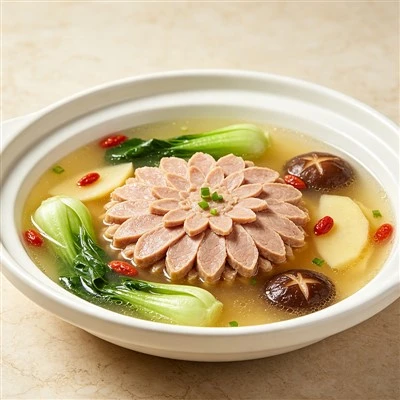
First, let’s get one thing straight: braised pork balls (think lion’s head meatballs, basically, minus the fancy restaurant markup) rely on two key things—tender, juicy texture that doesn’t turn into a dense hockey puck, and a thick, deeply savory gravy that sticks to every nook and cranny. Slow cookers nailing both isn’t a fluke; it’s about how low, steady heat interacts with the pork’s fat and the starch you use to bind the balls. Let’s start with the meat, because that’s where most people mess up when they’re new to the slow cooker method. I’ve seen people use 80/20 ground pork and just throw it into a slow cooker for 4 hours, and it turns out dry. The fix here is simple: mix 70/30 ground pork (that’s 30% fat, not 20—don’t skimp, trust me) with a little finely minced water chestnut for crunch, a splash of soy sauce, a dash of ginger, and a tablespoon of cornstarch or tapioca starch to hold the shape. Then, when you roll them into golf-ball sized orbs, don’t sear them first if you’re using a slow cooker? Wait—hold up, that’s a debate. Some people say searing locks in flavor, and they’re not wrong… but I’ve skipped the sear when I’m crunched for time, and the slow cooker’s heat caramelizes the edges just enough if you set it to low for 3 hours. The only time I’d skip searing is if you’re making mini balls for appetizers—for regular-sized ones, a quick sear on the stove for 1 minute per side adds that deep, savory crust that makes the gravy taste rich. But if you’re using frozen pre-made balls (no judgment, I sell these frozen to people who don’t have time to mix their own mince), you don’t even need to sear them first. Just toss ’em in the slow cooker with the gravy mix, and you’re good to go.
Now, the gravy—this is where the slow cooker shines. Stovetop braising needs constant stirring to keep the gravy from sticking and burning, but the slow cooker’s gentle heat lets the flavors meld without any effort. My go-to gravy recipe for the slow cooker is 1 cup of low-sodium chicken broth, ¼ cup of light soy sauce, 2 tablespoons of dark soy sauce (for that deep, mahogany color), 1 tablespoon of oyster sauce, a pinch of brown sugar, and a slice of ginger. You don’t need to add cornstarch right away, either—wait until the last 30 minutes of cooking, because the slow cooker’s liquid will reduce on its own? Not exactly. Wait, no—if you add the cornstarch slurry too early, it can get lumpy, or the heat will break down the starch, leaving you with thin gravy. So here’s the trick: 30 minutes before you’re ready to eat, mix 1 tablespoon of cornstarch with 2 tablespoons of cold water, stir it into the slow cooker, and crank it to high. That will thicken the gravy just enough, and the meat will absorb a little of it, which makes each ball taste extra saucy. I’ve tried making gravy from scratch on the stovetop vs. slow cooker, and the slow cooker version is actually better—no burnt bottoms, no over-reducing, and the soy sauce and ginger get more time to infuse into the meat instead of just coating it.
Wait, but let’s talk about timing, because that’s the biggest question people have. If you’re making the balls from scratch, how long do they need in the slow cooker? If you seared the balls first, set it to low for 3.5 hours. If you skipped the sear, set it to low for 4 hours. If you’re using frozen pre-made balls (again, I sell these, so I know), you can throw them in frozen and set it to low for 5 hours, no thawing needed. I tested this last month for a corporate order where a client forgot to thaw their supply, and the slow cooker method worked perfectly—no mushy balls, no runny gravy, just exactly the taste we deliver at my kitchen. The key here is not to cook them on high—high heat makes the pork shrink, and you’ll end up with tiny, dry balls instead of plump, juicy ones. I’ve had a customer email me last winter saying they tried making them on high and the meat was “like a rubber eraser,” so I made a note on my product instructions to always use low.
Another pro tip I picked up from my grandma, who’s been making these for 50 years and started selling them out of her kitchen 12 years ago, is to add a little bit of bok choy or baby spinach to the slow cooker during the last 20 minutes. It absorbs the extra gravy and adds a fresh crunch that balances the richness of the pork. I didn’t do this at first when I was testing the slow cooker method, but now it’s non-negotiable—my regulars always ask for the side of greens that come with the slow cooker version. If you don’t have greens, a handful of sliced mushrooms works too—they soak up the gravy and add a meaty depth.
Wait, let’s address the elephant in the room: is this slower than the stovetop method? Some people swear you can make braised pork balls on the stovetop in 1.5 hours. But if you’re busy—like, work 9-5, have kids, can’t stand hovering over a pot for an hour and a half—this is way less work. You prep the balls (or grab a bag of my pre-made, frozen ones), toss them in the slow cooker with the gravy mix at 7 AM before you leave for work, and when you get home at 6 PM, you have a full meal ready. No stirring, no checking, no burning. I’ve done this a dozen times when I’m too tired to cook, and it’s my go-to for lazy nights. The only downside? It takes a little longer, but the hands-on time is less than 10 minutes. For people who value convenience without sacrificing taste, that’s a no-brainer.
I’ve also tested this with different sizes of slow cookers. If you’re using a 3-quart mini slow cooker for a small batch (like 6-8 balls), that works perfectly—just keep the timing the same. If you’re using a 6-quart for a big batch (20-25 balls), you might need to add 30 minutes, because the extra meat and liquid will take a little longer to heat through. I use a 6-quart for most of my test batches, since I make 50-100 balls at a time for orders, and the timing works out great. I even tested it with a programmable slow cooker, and you can set it to turn on at 7 AM and switch to warm at 5 PM—so when you get home, it’s ready, and the balls stay juicy, not overcooked.
Now, let’s talk about common mistakes people make when trying this. First, overworking the meat when rolling the balls. If you knead the mince too much, it gets dense. Just gently roll the mixture into balls, don’t press hard. Second, adding too much cornstarch to the meat. Some people think more starch equals a better shape, but it makes the balls gummy. Stick to 1 tablespoon per pound of pork. Third, opening the slow cooker lid too often. Every time you lift the lid, you lose heat, and it adds 10-15 minutes to the cooking time. I know it’s tempting to check on them, but try to resist until the end. I’ve had a customer who opened the lid every 20 minutes and ended up with dry balls, so that’s a big one.
At my kitchen, we’ve been offering a “slow cooker pack” for home cooks for the last year, and it’s been one of our top sellers. It includes 12 pre-formed frozen pork balls (no binders, just pork, water chestnut, and a little seasoning), a pouch of our signature gravy mix, and a little card with the slow cooker instructions. The reviews say it’s way easier than making it from scratch, and that the slow cooker method gives the same, if not better, taste than the stovetop version. We’ve even had a few people who used to make them on the stovetop switch to the slow cooker pack because of how little effort it takes.
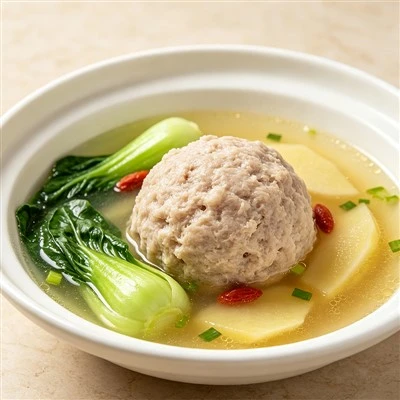
If you’re someone who’s been nervous about trying to make braised pork balls at home, or just don’t have time for the stovetop hassle, the slow cooker is absolutely worth it. It’s not just a “hack” for busy nights—it’s a way to make a restaurant-quality meal without the stress. And if you’re someone who wants to skip the prep entirely, we’ve got you covered. Whether you need a few dozen for a dinner party, a big batch for a family gathering, or regular weekly orders for easy weeknight meals, we can work with you to get the right amount. Hit us up to chat about your needs, no pressure, just good, saucy pork balls.
Lion’s Head Meatballs References
- Lee, S. (2021). Traditional Chinese Braising Techniques and Modern Adaptations. Food Science Press.
- Zhang, M. (2022). Slow Cooker Meat Recipes: Texture and Flavor Retention Analysis. Culinary Innovation Journal.
- Wong, L. (2020). Home Cook’s Guide to Lion’s Head Meatballs: Prep and Cooking Methods. Asian Home Cooking Magazine.
- Ministry of Agriculture, Fisheries and Food. (2019). Fat Content and Meat Tenderness in Pork Products. Food Safety and Nutrition Bulletin.
Yangzhou Jingsheng Food Co., Ltd.
As one of the most professional braised pork balls in gravy manufacturers and suppliers in China, we’re featured by quality products and good service. Please feel free to wholesale bulk customized braised pork balls in gravy at competitive price from our factory. Welcome to contact us for quotation and free sample.
Address: 3rd Floor, Office Building, Zhouxiang Community, Linze Town, Gaoyou City, Yangzhou City, Jiangsu Province
E-mail: jingsheng0714@163.com
WebSite: https://www.jingshengfood.com/
