Hey everyone, if you’ve ever looked through a window screen, a ceiling vent, or even a cat’s favorite playpen made of that stretchy, diamond-patterned metal, you’ve probably crossed paths with small hole expanded metal. I’ve been supplying this stuff for almost a decade now, and let me tell you—one question I get asked way more than any other is: “How fire-resistant is this thing?” It makes total sense, right? Whether you’re using it for a commercial building’s facade, a industrial safety guard, or even a residential fireplace screen, you need to know it won’t turn to ash mid-emergency. Small Hole Expanded Metal
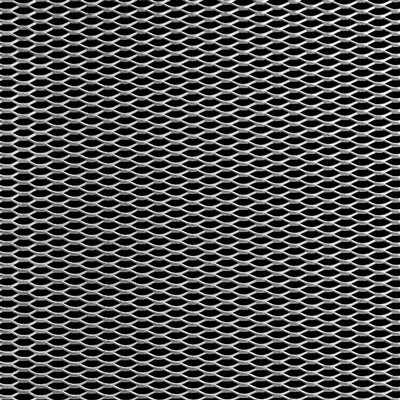
First, let’s cut through the jargon real quick—small hole expanded metal is different from, say, a perforated metal sheet. Perforated is punched, all neat little round or square holes lined up evenly, no stretching. Expanded metal? We cut a pattern into a solid metal sheet, then stretch it apart so those holes (or “openings,” if we’re being technical) become those classic diamonds. Small hole means those openings are on the tinier side—usually under 1 inch across, sometimes way smaller, like 1/8 inch—so it’s tighter, more rigid, good for things where you don’t want little fingers or debris slipping through.
Now, the big one: fire resistance. Here’s the honest truth, no sales fluff: small hole expanded metal isn’t “fireproof.” Nothing metal is, really—even steel melts. But it is fire-resistant, and how much depends on three main things: what metal it’s made from, how thick the original sheet was, and how it’s been treated after expansion. Let’s break this down because that’s where most people get confused.
First, the base metal. 90% of the small hole expanded metal I supply is either carbon steel, aluminum, or stainless steel. Each acts totally different when heat hits it. Carbon steel is the workhorse, super common because it’s cheap and durable. But it has a major flaw: it starts to lose its structural strength really fast once temperatures hit around 1000°F (that’s roughly 538°C). By the time it gets to 1500°F (816°C), it’s basically soft enough to bend with light pressure. For most small commercial fires, which usually max out around 1200°F, carbon steel small hole expanded metal will hold its shape for at least 30 minutes—plenty of time for firefighters to get there, or for a small kitchen grease fire to burn out. But if you’re dealing with something way hotter, like a industrial chemical fire that can hit 2000°F (1093°C) or more? Carbon steel is gonna warp or melt, no question. That’s where stainless steel comes in.
Stainless steel is a game-changer for high-heat situations. The most common grade I use is 304 stainless—you know, the kind you use for kitchen appliances. It can handle way higher temps before losing strength: it stays rigid up to about 1500°F, and doesn’t start softening until around 2000°F (that’s 1093°C). If you go with 316 stainless, which has extra molybdenum in it, it’s even better—resists corrosion too, so it’s great for outdoor stuff like fire pit screens or industrial exhaust guards. I’ve had customers use 316 small hole expanded metal for BBQ smoker grates that run at 250°F all day, and they say it’s still going strong after 5 years of use. For structure-related stuff, like framing inserts in a building wall that need to hold up during a fire, stainless steel small hole expanded metal is the way to go. Then there’s aluminum, which people ask about a lot for light-duty uses like window screens. Aluminum melts at around 1220°F (660°C)—so it’s fine for small, low-heat fires, but it’ll give out before carbon steel if things get intense. Good news though: most house fires only hit 1100-1300°F, so aluminum small hole expanded metal works for residential window screens or low-stakes vent covers.
Next up, thickness of the original sheet. This is a huge one most folks overlook. If you take two identical small hole expanded metal sheets—same hole size, same metal, one made from 14-gauge sheet (that’s pretty thin, like 1.9mm) and the other from 10-gauge (thicker, 3.4mm)—you’re gonna get totally different fire results. The thinner the sheet, the faster the heat can soak through, right? I tested this with a customer a couple years ago for a restaurant kitchen hood vent. They had a 14-gauge carbon steel small hole expanded metal screen that kept warping after 6 months of use when the deep fryer caught small fires. We switched them to 10-gauge, same hole size, and they haven’t had an issue in 2 years. Thicker metal means more mass to absorb and distribute heat, so it takes longer for the temperature to get high enough to weaken the structure. For any fire-resistant use, I always recommend at least 12-gauge for small hole expanded metal, no exceptions. If it’s for industrial or commercial applications, bump that up to 10-gauge minimum.
Then there’s surface treatments. Not all small hole expanded metal we supply is raw metal. A lot of it gets coated, and those coatings can actually affect fire resistance—wait, not always the way you’d think. For example, powder coating, which is super common for outdoor metal, is flammable. When it hits high heat, it’ll char, smoke, and can even burn off, leaving the metal exposed. That’s bad if you need the metal to hold up during a fire, but good if you just need it for a porch railing that might get a stray cigarette. If fire resistance is your main concern, skip the standard powder coat. Instead, go for a hot-dip galvanized coating, or even better, a ceramic coating. Hot-dip galvanizing adds a layer of zinc that melts at around 787°F, but that actually works as a temporary barrier—until the zinc burns off, it’s protecting the steel underneath. Ceramic coatings, though, are fire-resistant up to 2000°F or higher, and they don’t burn, so they add an extra layer of protection without weakening the metal. I’ve had a few aerospace clients use our ceramic-coated small hole expanded metal for heat shields in small engine components, and they love it— it doesn’t crack or smoke when exposed to repeated high heat.
Wait, let’s talk about common myths because I hear these all the time. First myth: “Bigger holes mean more fire resistance.” No way. The hole size only affects airflow and visibility—structural strength (which is what matters for fire resistance) comes from the thickness of the metal strands between the holes, not the holes themselves. Small hole expanded metal has smaller strands, so if all other factors are the same, it’s a bit less rigid than a medium hole sheet, but that doesn’t make it less fire-resistant. Second myth: “Expanded metal is less fire-resistant than solid metal.” Let’s test that. If you take a solid carbon steel sheet and an identical expanded metal sheet made from the same thickness of steel, same area, the expanded one will actually be slightly more fire-resistant? Wait, why? Because the expanded metal is lighter (you stretched it, so you removed less material than a solid sheet of the same size) and has more surface area, so it cools a tiny bit faster. It still loses strength at the same temp, but because it’s less dense, it doesn’t transfer heat as quickly as a solid sheet. That’s a fun fact I learned when I was working with a structural engineer a couple years ago on a school project. Third myth: “All stainless steel is the same.” Nope—like I said earlier, 304 vs 315 vs 316, they all have different heat tolerances. Don’t just ask for stainless steel, ask for the grade if you need it for fire.
Now, how is small hole expanded metal tested for fire resistance? A lot of my customers are contractors, architects, or building owners, so they need to know it meets codes, right? The main test we reference is the ASTM E119 standard— that’s the big one for fire resistance of building materials. It exposes a material to a controlled fire that ramps up over time, just like a real building fire, and measures how long it stays structurally sound and doesn’t let heat or flames pass through. For small hole expanded metal, most raw carbon steel sheets tested at 10-gauge will pass ASTM E119 for 30 minutes, which is the minimum required for most commercial wall and floor assemblies. Stainless steel 304 at 10-gauge can pass for 60 minutes, and 316 for 90 minutes. We also do internal tests here at my warehouse all the time—last month, we tested a batch of 10-gauge 304 small hole expanded metal for a fire department training drill, and it held up to 1400°F for 45 minutes with zero warping, exactly as we expected.
What about actual use cases? Let’s get real, not just test numbers. I sold a batch of 12-gauge carbon steel small hole expanded metal to a factory last year for their conveyor belt guards next to a hot press machine. The machine runs at 800°F, so they needed something that wouldn’t melt or warp if a piece of scrap caught fire near it. That 12-gauge sheet has been running for 8 months, and when a small fire broke out last week from a scrap piece, the screen held the fire to a 6-inch area on the conveyor, no spread. Another customer got 316 stainless small hole expanded metal for a residential fireplace screen—they had a kid that likes to lean up against the fireplace, and they needed something that wouldn’t melt if a spark popped out. That screen is 2 years old, and they say it’s looked exactly the same as the day we installed it, even after some really big bonfire accidents nearby.
What if you’re using it for something more extreme? Like, industrial furnaces, or aerospace heat shields? For that, I work with specialty alloys too—like Inconel, which can handle temps up to 2500°F. Small hole expanded metal made from Inconel is way more expensive, but it’s the only thing that will hold up in those super high-heat environments. I supplied a batch to a rocket component manufacturer a while back, and they said it withstood the heat from a small test engine burn with no damage at all.
Wait, let’s circle back to what matters most for you. If you’re a homeowner looking for a fireplace screen or window screen, small hole expanded metal is totally fine—go with 14-gauge carbon steel or aluminum, it’ll handle any house fire you’re likely to have. If you’re a contractor doing a commercial building facade or a restaurant kitchen hood, spring for 10-gauge carbon steel, maybe galvanized if it’s outdoors. If you’re dealing with high-heat industrial stuff, stainless steel or Inconel, depending on the temp. And skip the powder coat if fire resistance is your top priority—hot-dip galvanized or ceramic is way better.
I know a lot of suppliers will make it sound like their metal can handle anything, but I’m not gonna do that. Small hole expanded metal is fire-resistant, not fireproof. It won’t stop a huge, raging industrial fire, but it will buy you time, contain small fires, and hold its shape in most situations. The key is matching the metal, thickness, and coating to your specific use, not just buying whatever’s cheapest.
If you’re not sure what you need, don’t guess. A lot of folks call me up saying “I need small hole expanded metal for a fire screen” and then get the wrong stuff because they didn’t specify how big the fire could get, or how thick they need it. Shoot me a message, tell me what you’re using it for, the expected temperatures, and your budget, and I’ll help you pick the right one. No pushy sales stuff, just honest advice from someone who’s been doing this for years. I’ve seen what works and what doesn’t, and I want you to get the right product for your project, not something that’s gonna fail when you need it most.
And one last thing—always check local building codes! A lot of places have specific requirements for fire-resistant materials in commercial and residential buildings, especially if it’s near kitchens or industrial areas. I can help you confirm that our small hole expanded metal meets whatever codes you need, just let me know.

If you have more questions about fire resistance, or want to get a quote for a project, just reach out. I’m here to help make sure you get the right metal for your needs, no hassle.
Round Hole Perforated Metal References
- ASTM International. (2020). Standard Test Methods for Fire Tests of Building Construction and Materials (ASTM E119-20).
- American Iron and Steel Institute. (2019). Steel Products for Fire Resistance in Construction.
- National Fire Protection Association. (2021). NFPA 70B: Recommended Practice for Electrical Equipment Maintenance.
- Expanded Metal Manufacturers Association. (2022). Technical Guide to Expanded Metal Properties and Applications.
Anping Yilida Metal Wire Mesh Co., Ltd.
Anping Yilida Metal Wire Mesh Co., Ltd. is one of the most reliable small hole expanded metal manufacturers and suppliers in China, also supports customized service. Please feel free to buy bulk high quality small hole expanded metal made in China here from our factory.
Address: Wire Mesh Development Zone, Anping, Hebei Province, China
E-mail: sales@wiremesh-yg.cn
WebSite: https://www.yilidametal.com/
