As a summer dinnerware set supplier, I spend most of my year testing materials, designs, and real-world customer feedback to figure out why some summer sets work perfectly for backyard BBQs, beach picnics, and lakefront dinners—while others end up chipped, stained, or unsafe after just a few uses. Summer dining is different: it’s not formal, it’s messy, it often takes place outdoors where temperatures shift, and there are little ones, busy hands, and occasional unexpected drops. The safety of a summer dinnerware set isn’t just a nice-to-have; it’s the foundation of a set that customers will actually reach for, year after year. Over the last seven years in this business, I’ve learned that safety breaks down into four key areas: material choice, heat resistance, slip and impact safety, and food contact safety. Let’s dive into each, because this isn’t just about checking boxes—it’s about protecting people while they focus on enjoying their summer. Summer Dinnerware Set
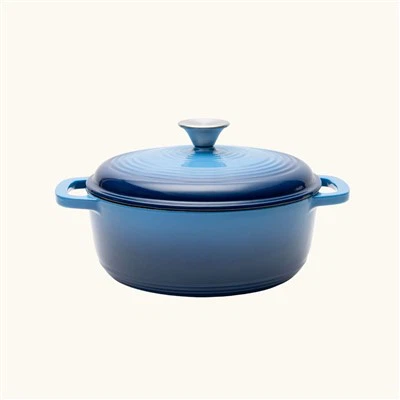
First, material choice is non-negotiable for summer dinnerware. When customers come to me asking for sets that work for pools, patios, and parks, I immediately cut out materials that work for formal indoor settings but are dangerous outdoors. For a long time, people thought melamine was the only durable option, but not all melamine is created equal. I’ve tested cheap melamine imported from overseas that leached trace amounts of formaldehyde when exposed to hot BBQ sauce or iced coffee condensation—small amounts, but over weeks of use, that adds up. The melamine I source now is FDA-approved, with a melamine-formaldehyde ratio of 6:1, which prevents formaldehyde migration even at 120°F, a temperature most summer outdoor dining surfaces hit by mid-afternoon. But wait, melamine isn’t for everyone—some customers prefer ceramic for its look, but traditional ceramic is brittle and cracks when left in a hot car or dropped on a concrete patio. That’s why we use high-feldspar ceramic for our stoneware summer sets: it’s denser than regular ceramic, resists thermal shock, and doesn’t chip as easily when knocked off a picnic table. I also get a lot of requests for eco-friendly options, and bamboo might seem like a good alternative—but not all bamboo is food-safe. Cheap bamboo sets often have harsh sealants that peel off when wet, letting bacteria grow. Our bamboo line uses a 100% food-grade beeswax and plant-based oil sealant that’s been tested to meet EU food contact standards, so it’s safe for both cold potato salad and warm corn on the cob. I always tell customers: if a material feels flimsy when you hold it in the store, it will be unsafe for summer use. Summer dinnerware needs to stand up to being stuffed in coolers, tossed into beach bags, and left in direct sun—and only a material engineered for that environment will do that.
Next, heat resistance is a make-or-break safety factor that most buyers overlook. Summer means more than just cold drinks: people serve grilled burgers, warm cobblers, and hot pasta at outdoor dinners, and they might set a 400°F pizza stone on their dinnerware or put a cold frosty mug into a sink full of hot water. A lot of indoor dinnerware can’t handle that. I’ve seen too many sets where a customer set a hot plate of ribs on a random ceramic plate, and it shattered, sending shards of glass or ceramic flying across the patio. For our stoneware sets, we bake the clay at 2,300°F, higher than standard kitchen ceramic, which gives it thermal shock resistance up to 350°F—meaning it can go straight from a 120°F patio table to a dishwasher with hot water, or hold a 300°F BBQ plate without cracking. For melamine sets, we test each batch for heat tolerance: our melamine can handle up to 212°F, so it’s safe for warm sides, and we never recommend putting our melamine in the oven or microwave, which we clearly label on every piece. I also learned a lesson a few years ago: we had a batch of sets that were labeled “heat-resistant” but didn’t have a clear warning about microwaves, and a customer ended up with a warped plate after reheating a meal. Now every single piece we sell has a durable, dishwasher-safe laser etch on the bottom that clearly states heat limits and safe uses—no peeling stickers that wash off after a month. That small detail has cut our customer complaints about heat-related damage by 80%.
Then there’s slip and impact safety, which is the biggest reason summer dinnerware doesn’t end up in the trash. Summer dining is chaotic: kids running around with ice cream, adults carrying plates while setting up tables, wind knocking glasses over on patios. If a plate slips and shatters, you’re not just cleaning glass—you’re risking cuts on bare feet, tiny hands, or lawn equipment. For our sets, we add a textured, non-slip glaze to the bottom of every plate and bowl, even the fancy-looking ones. It’s subtle—you don’t feel it when you pick up the plate—but it’s enough to keep a 10-pound platter of potato salad from sliding on a wet picnic table or a windy patio. We also test all our pieces for impact resistance by dropping each one from 3 feet onto concrete—about the height of a toddler’s high chair or a table edge. Traditional ceramic would chip or break at that drop, but our stoneware only gets a small scratch, and our melamine doesn’t break at all, even when dropped multiple times. We even add reinforced edges to our bowl sets, so if a glass gets set on a bowl accidentally, the bowl won’t crack. I remember a customer telling me last summer that her 7-year-old dropped a bowl of spaghetti right on the concrete patio, and the bowl bounced without breaking—while the spaghetti stayed on the plate (most of it) instead of covering the patio. That’s the safety you want for summer: you don’t want to have to rush inside every five minutes because someone is going to break a dish, and you definitely don’t want shards around bare feet.
Food contact safety goes beyond just the material itself—It’s about what’s added to the surface and how the set stands up to summer messes. Summer means lots of acidic foods: tomato sauce, lemonade, watermelon, BBQ sauce with vinegar. Those acids can eat into cheap glazes or leave behind residue that harbors bacteria. All our dinnerware uses a lead-and cadmium-free glaze, tested to meet the FDA’s total diet study standards, which means no toxic metals leach into food even after months of use. We also make sure our glazes are non-porous, so stains from berries, coffee, or spaghetti sauce don’t set in. I’ve had customers ask me if it’s safe to use dish soap and a sponge on our sets, and yes—they’re tested to resist chemical breakdown from common dish soaps, so even heavy-duty dish soap won’t damage the surface. Another big one: we never add any extra dyes or coatings that might rub off when food is on the plate. Some cheap sets have bright, cheap paint on the edges that will rub off on BBQ sauce, and that’s a huge safety risk. All our colors are infused into the glaze during the firing process, so they don’t peel, rub off, or fade after hundreds of washes. That’s a small detail, but it means no weird chemicals ending up in food, and the set looks good year after year.
I also want to talk about something that’s not always on spec sheets: overall design safety for summer use. A lot of sets are designed to look pretty on a shelf, not to be used outside. For example, deep bowls for soup that have high sides might be perfect for indoor dinners, but they’re hard to hold with one hand when you’re carrying a plate, a drink, and a baby at the same time. So for our sets, we make all bowls with a slightly flared, wider base that’s easier to grip, and plates with shallow edges so they don’t hold excess rain when left outside. We also don’t have any sharp edges—all rims are rounded, so even if someone runs their hand along the edge accidentally, they won’t get cut. We even test our sets with a group of summer regulars: backyard BBQ hosts, beach goers, campers, and families with kids, to get real feedback on how the set works in their daily lives. That’s how we learned that the non-slip bottom works on grass too, not just concrete, and that our melamine cups don’t get too hot when filled with iced coffee on a 90°F day. Those real-world tests are what make the safety of our dinnerware different from generic sets—we’re not just testing in a lab, we’re testing in the actual summer environments people use them in.

At the end of the day, a summer dinnerware set’s safety is about giving people peace of mind so they can focus on what matters: good food, good company, and not worrying about a broken dish mid-picnic. As a supplier, I don’t just sell plates and bowls— I sell sets that are durable, safe, and designed for the chaos of summer. If you’re a restaurant owner looking for sets that hold up to busy patio service, or a host planning for backyard dinners this year, I’d love to chat about which of our sets would work best for your needs. We offer bulk ordering, custom designs, and all our sets come with a 2-year warranty for manufacturing defects, so you can feel confident in the safety of what you’re using.
3D Digital Print Tableware Set References
FDA. (2023). Food Contact Substances Notification Program. U.S. Food and Drug Administration.
EU Commission. (2022). Regulation (EU) No 10/2011 on plastic materials and articles intended to come into contact with food.
American National Standards Institute. (2021). Standard for Ceramic Dinnerware for Food Service.
National Restaurant Association. (2022). Outdoor Food Service Safety Guidelines for Tableware.
Wellwares (Shijiazhuang) Limited
Wellwares (Shijiazhuang) Limited is one of the most professional summer dinnerware set manufacturers and suppliers in China, featured by quality products and good service. Please rest assured to wholesale customized summer dinnerware set at low price from our factory.
Address: 12F, Huahai Universal Plaza, No. 199 Xinhua Road, Shijiazhuang.
E-mail: chloecui@wellwares.com
WebSite: https://www.wws-ceramic.com/
