Hey everyone, it’s Jake here from that team that’s been making leaf springs for Toyotas for over a decade – you know, the folks that’ve got your Tacomas, Land Cruisers, and 4Runners covered with heavy-duty, OE-matched leaf springs that don’t break the bank. Today, I’m here to answer a question I get at least once a week: can you swap your Toyota’s leaf springs for air springs? Let’s cut through the noise here, because I’ve seen so many mechanics and DIYers jump into this without knowing the real pros, cons, and stuff you need to check before you turn your truck into a pneumatic test dummy. Leaf Spring for Toyota

First off, let’s keep it real: air springs and leaf springs do two similar things, but they’re built for totally different jobs. Leaf springs are those long, curved steel strips stacked together that you’ve probably seen under your Toyota’s rear axle – they handle load, absorb bumps, and keep your ride stable whether you’re hauling dirt bikes to the dunes or pulling a trailer full of lumber. Air springs, on the other hand, are rubber bellows that inflate with air, letting you adjust your ride height on the fly. So yeah, you can swap ‘em, but is it worth it? That depends on how you use your truck, and I’m gonna break that down like I would for my cousin who’s always modifying his 2012 Tacoma.
Let’s start with why someone would even consider the swap. The big one is adjustability. If you tow or haul heavy stuff on the regular, air springs let you pump more air into the rear end to stop that annoying squat that makes your truck feel like it’s nose-diving every time you load up the bed. I’ve had customers tell me they tow a 7,000 lbs camper and their stock leaf springs would sag so bad the taillights were basically pointing at the ground. Air springs fix that in like two minutes – no u-bolt adjustments, no swapping out extra leafs, just tweak the air pressure and you’re back to level. They also give a smoother ride on empty, right? Because air can absorb small road vibrations better than stiff steel leafs, especially if you’re running a lifted truck that’s already got a stiffer suspension.
But wait, let’s hit the downsides, because I’d never steer you wrong. First, cost. A basic air spring kit for a Toyota is gonna run you anywhere from $500 to $1,200, depending on if it’s a do-it-yourself kit or one that comes with an onboard compressor. Compare that to a good set of leaf springs from us – we’ve got Tacoma leaf springs for under $300, and even our heavy-duty overland sets are under $600. Then there’s maintenance. Leaf springs are basically “set it and forget it” – you lube the bushings once a year, check the U-bolts, and you’re good for 100k+ miles. Air springs? You’ve got hoses, valves, the compressor, and rubber bellows that can get pinched by sharp rocks, crack from UV exposure, or spring a leak after a couple years. I’ve seen too many guys on local Toyota forums complain about their air springs failing off-roading, leaving them stranded with a flat rear end.
Another big one: load capacity. Leaf springs are engineered to handle specific loads – we design our leaf springs exactly for your Toyota’s make and model, so a 2020 Tundra leaf spring will carry the weight it’s meant to without stretching or breaking. Air springs, though, they’re auxiliary parts, not primary suspension. Most basic air spring kits only add 1,000 to 2,000 lbs of extra capacity, whereas many Toyota leaf springs can handle 3,000 lbs or more if you go with our heavy-duty packs. If you’re hauling a fully loaded work truck with tools, materials, and a trailer, air springs might not cut it long-term – you’ll end up overinflating them, which can cause hoses to burst or the springs to blow out.
Also, let’s talk about off-roading, which is huge for Toyota owners. Leaf springs are tough – I’ve had customers put 200k miles on our leaf springs while wheeling their 4Runner through Moab’s toughest trails, only to replace ‘em because they were old, not broken. Air springs? If you’re hitting big rocks, a sharp enough boulder can puncture the rubber bellows instantly. And when you’re wheeling, you usually deflate your air springs for more flex, but if you’re not careful, you can pinch the hoses between the axle and the frame, leading to leaks mid-trail. I saw a video last year of a Tacoma guy who swapped to air springs and got stuck because his rear deflated after hitting a rock – he had to call a tow truck, all because he thought air was tougher than steel.
Wait, but here’s the thing: if you’re only using your truck for light towing, occasional hauling, and daily driving, air springs can be a solid upgrade. A lot of our customers actually use both – they keep a set of our stock leaf springs for daily use and swap in air springs when they’re hauling heavy. But if you’re a work truck owner, an off-roader who uses their truck hard, or someone who doesn’t want to deal with ongoing maintenance, leaf springs are still the way to go.
Now, I know some of you are thinking, “but Jake, my friend swapped his Tacoma to air springs and loves it!” That’s cool, but your friend’s only using it for weekend camping trips and towing a small boat. I’ve got another customer who did the same swap, then started hauling 10 pallets of bricks for his side business – his air springs lasted 6 months before he had to replace them, and now he’s back to buying our heavy-duty leaf springs because they’re cheaper in the long run.
Let’s get into the nuts and bolts of the swap, too, if you’re thinking of doing it. First, compatibility. Most air spring kits are made for specific Toyota models – make sure you get one that fits your year, make, and whether you have a solid rear axle, which almost all Toyotas do. The basic process is jacking up the truck, removing the old leaf springs, mounting the air spring bags on top of the axle or under the frame, running the air hoses to the cab control panel, and wiring the compressor. But here’s a pro tip from our guys: if you’re doing the swap, make sure you get a kit that comes with heavy-duty U-bolts – the stock U-bolts from your leaf spring setup might not be strong enough to hold air springs under load. And for the love of all that’s holy, don’t skip the air line routing – run them up and away from the axle so they don’t get chewed up by rocks or brush when you’re wheeling.
Wait, another thing: ride quality. Air springs give a softer ride when empty, but some people complain that they feel “floaty” when you’re going around corners, because they don’t have the same lateral stiffness as leaf springs. Leaf springs keep your truck planted, especially when you’re cornering or loaded, which is why so many truck drivers stick with ‘em. We design our leaf springs with multiple leaves that work together to give just the right amount of flex, not too soft, not too stiff – perfect for daily driving and heavy loads.
I want to be clear here: I’m not anti-air springs. I just want you to make an informed choice, not a impulse buy because a YouTuber said it’s the best thing since sliced bread. Air springs are a great option for the right use case, but leaf springs are still the tried-and-true for Toyotas, built to last, built for your truck’s original design, and way easier to maintain. If you’re a Toyota owner who uses your truck for what it was built for – hauling, towing, off-roading – our leaf springs are made to fit exactly, no weird modifications needed, no compatibility issues, just solid performance.
Now, let’s address some common myths I hear all the time. Myth #1: Air springs are stronger. Nope – steel is way stronger than rubber. Leaf springs can handle way higher loads without failing, which is why they’re factory equipment on almost all heavy-duty trucks, including Toyotas. Myth #2: Swapping is easy for a DIYer. It can be, but if you’re not comfortable working with suspension systems, you’re better off taking it to a mechanic – a bad install can lead to suspension failure while you’re driving, which is super dangerous. Myth #3: You’ll save money long-term. As I said earlier, air springs need replacements, repairs, and maintenance that leaf springs don’t. Over 10 years, you might spend $2,000 on air springs and parts, vs. $600 on a set of leaf springs that’ll last the same 10 years.
At the end of the day, the answer to “can I replace my Toyota’s leaf springs with air springs?” is yes – you technically can, but you have to weigh the pros and cons against how you use your truck. If you’re a casual user who wants adjustability for light loads, go for it. If you’re a hard worker, off-roader, or anyone who wants reliable, low-maintenance performance, stick with leaf springs. That’s why we’ve spent years perfecting our leaf springs for Toyotas – from Tacoma to Land Cruiser, 4Runner to Tundra, we’ve got the right spring for your use case, no gimmicks, no fluff, just parts that work as hard as you do.
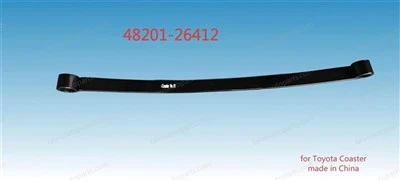
If you’re still on the fence, or if you’ve already got questions about leaf springs vs. air springs for your specific Toyota, hit us up to chat. We’re here to help you make the best choice for your truck, whether you end up going with our leaf springs or another option.
Leaf Spring for Semi-trailers References
- Toyota Motor Corporation. (2022). Toyota Truck Suspension Design: Leaf Spring Performance & Durability.
- Automotive Aftermarket Suppliers Association. (2021). Light-Duty Suspension Component Replacement Guide.
- Off-Road Magazine. (2023). Air Spring vs. Leaf Spring: Real-World Use Cases for Toyota Trucks.
- SAE International. (2020). Pneumatic Spring Systems for Light Commercial Vehicles: Load Capacity Limits.
Henan Talen Auto Parts Co., Ltd.
As one of the most professional leaf spring for toyota manufacturers and suppliers in China, we have world-leading production equipment and strong manufacturing capabilities. Please feel free to buy durable leaf spring for toyota made in China here from our factory. For price consultation, contact us.
Address: 7th Floor, Block C, No.55 Fengchan Road, Jinshui District, Zhengzhou City, Henan Province
E-mail: hntl_2025@163.com
WebSite: https://www.talen-autoparts.com/
