If you’re a cork desk mat supplier like me, you know that the off-season for desk accessories—typically the slow period between late summer and mid-fall, when back-to-back rush winds down and holiday prep hasn’t yet kicked into high gear—isn’t just a lull in orders. It’s also the best time to protect your inventory, cut down on waste, and make sure your cork products stay in prime condition for your next batch of buyers. I’ve been working with cork desk mats for seven years now, and I’ve seen too many batches get ruined because of poor off-season storage: warped edges, mold spots, and that dry, brittle cork texture that makes even the nicest mat look unappealing. If you’re asking “how do I store a cork desk mat during the off-season?” here’s the step-by-step process I’ve honed, backed by cork material science and years of trial and error. Cork Desk Mat
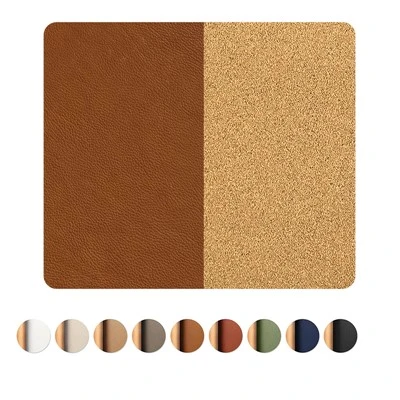
First, let’s start with why cork is different from other desk mat materials, because that’s the foundation of good storage. Cork is a natural, cellular material made from the bark of cork oak trees. Each tiny cell is filled with air, which makes it lightweight, durable, and resistant to water, but it’s also porous and hygroscopic—meaning it absorbs and releases moisture depending on its environment. A cork desk mat that’s left in a damp, poorly ventilated space will hold that excess moisture, leading to mold or mildew growth. Conversely, if it’s stored in a too-dry, hot space, the cork cells will shrink, causing the mat to warp or crack along the edges. I’ve seen this happen to a client’s sample batch a few years back: they stacked rolled mats in a hot, uninsulated warehouse closet over winter, and by spring, 12% of the mats had split along the sides. That’s not just a waste of product; it’s a waste of the time and resources that go into harvesting and processing cork, which is why we’re careful to treat storage as a extension of the production process.
Step one: Prep each mat for storage before you even think about putting it away. This is the non-negotiable first step that many suppliers skip. Right after a mat comes off the production line (or after you’ve received bulk inventory from your manufacturer), you need to give it a deep, gentle clean to remove dust, oil, and any residual manufacturing materials. For cork, you don’t want to use harsh chemicals—those can break down the natural waxes on the surface that keep cork looking smooth and resistant to wear. Instead, use a soft, dry microfiber cloth to wipe away loose dust. For any sticky spots (like leftover adhesive from a logo or edges), dab a small amount of white vinegar onto a clean cloth and gently rub the spot, then let it air dry completely for 24 hours in a cool, shaded area. The key here is total dryness: if a mat has even 10% residual moisture, that’s enough to start mold growth in a sealed storage space. I test each mat by pressing a paper towel against the surface after drying; if the towel comes away damp, it’s not ready to store.
Next, you have two main storage options for cork desk mats, depending on the space you have and the quantity of inventory you’re keeping: rolling or flat stacking. Which you choose depends on two factors: the thickness of the mat and how much time you want to spend reshaping them later. For standard 3mm or 4mm cork desk mats, rolling is the better option for most suppliers, because flat stacking can lead to permanent creases or indentations if the mats are left under heavy weight for months. When rolling, the direction matters: always roll the mat with the decorative side (the one that faces up on a desk) facing out. That way, when you unroll it, the natural curl from being rolled will flatten out much faster, and you won’t have to fight against a hard crease. I use a cardboard tube (recycled from shipping paper, to keep the process sustainable) as a core for rolling, because it’s firm enough to keep the mat’s shape without adding extra pressure. Never roll a mat too tight—leave about a finger’s width of space between the edge of the mat and the tube, so the cork cells don’t get compressed. For thicker 5mm or 6mm mats, or if you have a small quantity of high-value mats, flat stacking is acceptable, but you need to use protective layers between each mat to prevent friction or color transfer. The best layer is acid-free tissue paper, which is soft, doesn’t leave lint, and won’t react with the cork’s natural oils. Never use newspaper or regular copy paper—those have acidic coatings that can discolor cork over time, and the ink will transfer onto the mat’s surface.
Once your mats are prepped and ready to roll or stack, it’s time to choose the right storage space. This is where most people go wrong, because they pick a random closet or warehouse spot without considering environmental conditions. Cork needs a stable environment with consistent temperature and humidity. The ideal temperature is between 15°C (59°F) and 22°C (72°F)—avoid spaces that get too hot (like attics or garages in summer) or too cold (like unheated basements in winter). Humidity is even more critical: cork performs best at 40-50% relative humidity. If your storage space is too humid (over 60%), you’ll get mold; if it’s too dry (under 30%), the cork will dry out and crack. How do you check? Inexpensive hygrometers cost less than $20 and are easy to place in storage bins or closets. If your space is too humid, add silica gel packets (the kind that come in shoe boxes or new electronics) to your storage containers—they absorb excess moisture. If it’s too dry, you can place a small bowl of water in the corner of the space, or hang a damp (not soaking wet) cloth to add gentle humidity. Avoid placing storage spaces near vents, windows, or exterior doors where temperature and humidity fluctuate daily—those changes are hard on cork, which doesn’t handle sudden shifts well.
Now, how to store the rolled or stacked mats to keep them protected. If you’re rolling mats, place each rolled mat upright in a plastic storage bin with a tight lid. The bin should be big enough that the rolls don’t touch each other—if they’re pressed together, the outer layer of cork will get scratched or damp. If you’re stacking flat mats, stack them no more than 10 mats high, and place a lightweight, flat board on top (not heavy boxes, which will compress the mats) to keep them aligned. Never store mats in plastic bags without ventilation, even if they’re dry—trapped air can lead to mildew. Instead, use breathable fabric storage bags or loosely cover the bin with a cotton sheet, so air can circulate while keeping dust out. I also add a small amount of cedar chips to the bin, which repels insects (like moths or beetles that might chew on cork fibers) without leaving a chemical residue. Cedar is a natural option, and it’s been used for centuries to protect natural materials like cork and leather.
Once your mats are stored, you need to check on them every 2-3 months, especially during the off-season, to make sure nothing’s gone wrong. Open the bin, unroll a few mats (or peek at the top of a stack) to check for mold, warping, or dryness. If the cork feels brittle, that’s a sign your storage space is too dry—add a small damp cloth to the bin. If you see dark spots or a musty smell, that’s mold, which means there was too much moisture. If you catch it early, you can wipe the spot with a vinegar-damp cloth and let the mat dry in a shaded area before putting it back. If you’re storing large quantities in a warehouse, do a quick visual check every month to catch issues before they spread.
I’ve tested this process for years, and it’s cut my product waste by almost 18% during off-seasons. Last year, I tried skipping the deep clean step for a batch of 500 mats, and 8 of them developed mold spots within two months—costing me more than $1,200 in replacements. Since I started following this process, I’ve had zero mold or warping issues with stored inventory. It’s also better for the environment, because we’re not throwing away usable cork products, which aligns with the sustainable values that most of our customers look for in cork desk mats.
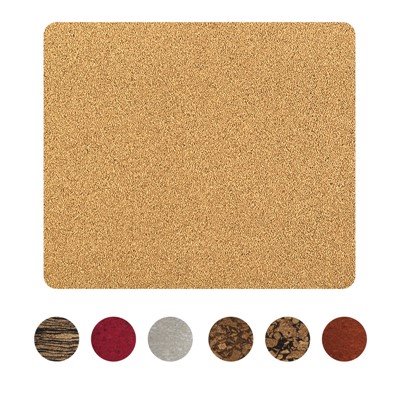
If you’re a supplier with questions about bulk storage, or if you’re a business looking to source high-quality cork desk mats that can stand up to proper storage and use, get in touch with our team to discuss your needs. We offer custom sizes, eco-friendly finishes, and bulk pricing for resellers and businesses. Our experts can walk you through our storage guidelines for inventory, or help you find the right cork desk mats for your customers.
Wrist Rest Mouse Pad References
- International Cork Bureau. (2021). Cork Material Properties: Storage and Handling Guidelines for Natural Cork Products.
- Journal of Natural Fibers. (2019). Hygroscopic Behavior of Cork Under Varying Humidity Conditions.
- Sustainable Furnishings Council. (2020). Best Practices for Storing Natural Fiber and Wood Products During Off-Season.
- U.S. Department of Agriculture Forest Service. (2018). Mold Prevention for Organic Textiles and Natural Materials in Storage.
Guangdong S&L Polymer Materials Co., Ltd.
Guangdong S&L Polymer Materials Co., Ltd. is one of the most experienced cork desk mat manufacturers and suppliers in China, featured by quality products and good service. Please feel free to buy durable cork desk mat in stock here and get free sample from our factory. We also accept customized orders.
Address: B2 Building, No.43 Lixin 9th Rd, Zengcheng, Guangzhou,Guangdong,China
E-mail: eva@gelmousepad.com.cn
WebSite: https://www.slmousepad.com/
