Hey everyone, it’s Jake from the keyway milling supply team, and I get it—most people don’t think twice about coolant until their milling operation starts chugging, parts start warping, or those tiny keyway edges get all banged up. I’ve been talking to shops for over a decade now, and the number one question I get when we’re matching a customer’s keyway mill setup to their material is: “What actual coolant do I need here?” It’s not a one-size-fits-all answer, but I’m gonna break this down like I do for my regulars—no jargon, just real talk based on what we see every day. Keyway Milling
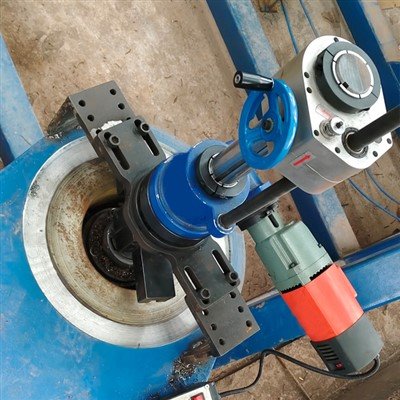
First off, let’s ground this in what keyway milling actually does, right? Unlike rough milling where you’re taking big, deep cuts to hog out material, keyway milling is mostly precision work—you’re cutting slots that need to be dead straight, accurate to within a thousandth of an inch, with sharp edges that won’t snap or wear out the mill. The wrong coolant here doesn’t just leave a smudge; it ruins part tolerance, wears out your carbide end mills way faster, or even makes the material seize up on the tool mid-cut (ask me how I learned that lesson on a 4140 steel order a few years back—spoiler: it cost us a whole shift of parts).
Let’s start with the most common materials shops mill keyways into, because coolant depends almost entirely on what you’re cutting. If you’re working with plain carbon steel—like A36, 1018, or 4140, which are the bread and butter of our keyway mill orders—you can’t skimp on a good semi-synthetic or soluble oil coolant. Wait, let’s clarify: soluble oil is the old-school stuff, right? It’s a mix of oil and water, cuts friction, and has decent lubricity for steel, but it can get moldy if you leave it sitting too long in the sump. Semisynthetics are a step up—they have more synthetic lubricants, last longer, don’t go bad as fast, and work better at higher cutting speeds, which is what most folks run on modern CNC mills. For carbon steel specifically, I lean toward semisynthetics with extreme pressure (EP) additives—they keep the tool from welding to the steel’s surface when you’re making tight, deep keyways, which is huge for edge quality. I had a customer last month who was using straight soluble oil on 4140 and getting inconsistent edge finish; switching to an EP semisynthetic fixed that, and his tool life jumped 30% without him even adjusting his feed rate.
Now move to stainless steel—304, 316, that stuff’s a pain, right? It’s gummy, it work-hardens like crazy, and it grabs tools if you’re not careful. Here, soluble oil with high lubricity or a full synthetic coolant is your go-to. Wait, synthetic for stainless? Yep—synthetics have great cooling capacity, which is key because stainless generates a ton of heat when you mill it (too much heat = work hardening, which makes the next cut way harder). But you need to balance that with lubricity, because synthetics can be slippery if they don’t have enough additives. I recommend synthetics with chlorine-free EP additives for stainless—chlorine works, but it’s bad for the mill’s seals and long-term equipment health, and most shops are moving away from it anyway. A customer doing 316 keyways for food processing equipment can’t have chlorine residue anyway, so that’s a double win. Pro tip here: don’t use water-only coolant on stainless—no matter how fast you run the mill, water doesn’t have enough lubricity, and you’ll end up with a tool that’s toast in half the time.
Next up, aluminum and other non-ferrous metals—6061 aluminum is super common for parts that need to be light, like automotive components or consumer goods. For aluminum, you want a coolant that’s super good at flushing chips away, because aluminum chips are tiny and sticky, and if they get stuck in the keyway slot, they scratch the wall and mess up tolerance. Soluble oil or a light semisynthetic works here, but some guys use mineral oil straight for aluminum? Wait, no—mineral oil is too greasy, and it leaves a residue that’s a pain to clean off later, especially if the part is going to be anodized. I tell shops to go for a water-based soluble oil with rust inhibitors, because aluminum can corrode if coolant sits on it too long, and the rust inhibitors keep your mill’s machine parts from getting pitted too. Also, avoid coolant with too much sulfur for aluminum—sulfur can stain the surface, which is a big no for finished parts.
What about exotic materials? Like titanium or Inconel, which we see more of in aerospace and medical parts? That’s where you need a full synthetic coolant with heavy-duty EP additives, sometimes even straight synthetic oil. Titanium is super heat-resistant, so you need a coolant that can pull heat away fast, but it’s also super gummy, so you need the lubricity to keep the tool from seizing. I had an aerospace customer last year switching from a standard synthetic to a high-performance EP synthetic for titanium keyways, and his tool life went from 10 parts per edge to 22, and his keyway tolerance stayed consistent for all of them—no more mid-cut tool drift because the tool was getting hot and flexing. The only downside is that these coolants are a bit pricier, but when you’re paying for custom mill edges and scrap parts, it’s worth every penny.
Wait, let’s talk about what to avoid, because I get a lot of shops cutting corners here. First, don’t use general-purpose coolant for specialized keyway work. I see shops grab a jug of “universal” coolant from the hardware store and think it’ll work—9 times out of 10, it’s either too slippery, doesn’t cool enough, or leaves residue. Also, don’t mix old coolant with new coolant in your sump. Old coolant gets contaminated with metal shavings, bacteria, and dirt, and adding it to new stuff ruins the additives that make it work. We recently had a customer bring his mill in for a tune-up because his keyways were all rough—turns out he was mixing 6 months old coolant with new, and the lubricity additives were basically gone. Another big no: straight water for any metal except maybe soft brass, and even then, water doesn’t do enough to prevent tool wear.
Also, let’s not forget the application part—coolant type matters, but how you deliver it matters too. For keyway milling, you want flood coolant, not mist. Mist is good for general milling, but for keyways, flood coolant gets the fluid right down into the slot, flushes chips, and cools the tool where it matters most. If your mill has a through-tool coolant system, that’s even better—those get coolant right to the cutting edge of the end mill, which is a game-changer for deep keyways. We recommend that most of our keyway mills come set up for through-tool coolant for that exact reason.
Now, let’s circle back to real life, not just theory. Last quarter, I worked with a small job shop that was making keyways for agricultural equipment—they were using a basic soluble oil on A36 steel, but their tools were wearing out in 8 parts, and they were getting about 5% scrap from edge burrs. We sat down, looked at their mill setup, and switched them to an EP semisynthetic coolant, plus adjusted their flow rate to flood the keyway slot properly. The result? Tool life jumped to 14 parts per edge, scrap dropped to less than 1%, and their overall milling time went down because they could run a bit faster without worrying about tool chatter. That’s the kind of win we care about here—this isn’t just about coolant, it’s about making your job easier, your parts better, and your costs lower.
Wait, one more thing: maintenance. No matter what coolant you use, if you don’t maintain your sump, it’s not going to work right. Test the coolant’s concentration every week—too diluted, and you lose lubricity; too strong, and it’s a waste of money. Keep the sump clean, change it every 3-6 months, depending on how often you use it. I know it’s a hassle, but skipping this is like putting bad gas in your car—you’ll have problems down the line.
At the end of the day, the right coolant for keyway milling depends on what material you’re cutting, the machine you’re using, and the finish and tolerance you need. It’s not rocket science, but it’s not something you can guess either. If you’re stuck, or if you’re having issues with tool wear, scrap, or bad keyway finishes, hit us up. We work with shops big and small—from one-person job shops to mid-sized manufacturers—and we can help you match the right coolant to your keyway mill setup, plus recommend the right tools to go with it. No sales pitch, just real advice from people who do keyway milling every day.

If you’re looking to upgrade your keyway mill setup, or just need help sorting out your coolant, reach out to our team to discuss your specific project needs. We’re here to make your keyway milling work smoother, faster, and with better results.
Bore Welder References:
- Machining Data Handbook, 4th Edition. Society of Manufacturing Engineers, 2020.
- “Coolant Selection for Precision Milling Operations,” Modern Machine Shop, October 2022.
- Keyway Milling: Principles, Tools, and Best Practices. Industrial Press, 2019.
- “Extreme Pressure Additives in Metalworking Fluids,” Journal of Manufacturing Processes, Vol. 56, 2021.
Shangqiu JDA Machinery Technology Co., Ltd.
With abundant experience, we are one of the most professional keyway milling manufacturers and suppliers in China. We warmly welcome you to buy cheap keyway milling for sale here from our factory. Quality products and reasonable price are available.
Address: No. 55 Pingyuan Middle Road, Liangyuan District, Shangqiu, Henan, China
E-mail: sales@jdamachines.com
WebSite: https://www.jdamachines.com/
